September 18, 2026
A deep car cleaning involves more than a quick rinse and a few minutes of vacuuming. It is designed to remove dirt, buildup, stains, and odors from areas that may be missed during a regular wash. Drivers may choose this service after a long road trip, seasonal weather changes, or months of everyday use. A thorough cleaning can improve the vehicle’s appearance and make the interior more comfortable. It may also help protect surfaces from damage caused by grime, moisture, and spilled materials. According to Mordor Intelligence, rollover and in-bay automated car washes account for approximately 43.10% of the market, while express tunnel formats make up another major segment with growing adoption. These trends show how many drivers rely on convenient professional cleaning options. Understanding the process can help customers know what to expect before arriving at a professional car wash.
Reviewing the Vehicle’s Condition
The cleaning process usually begins with a quick review of the vehicle’s current condition. Staff may look for heavy dirt, stains, pet hair, food residue, or other areas that need special attention. This review helps determine which cleaning methods will be most useful. A vehicle that has been exposed to mud may need more attention around the wheels and lower panels. Cars carrying children or pets may require additional interior cleaning. Staff may also identify delicate materials that need gentler products or tools. Customers should mention any specific concerns before the cleaning begins. Clear communication helps car wash businesses provide a service that matches the vehicle’s condition.
Removing Loose Exterior Dirt
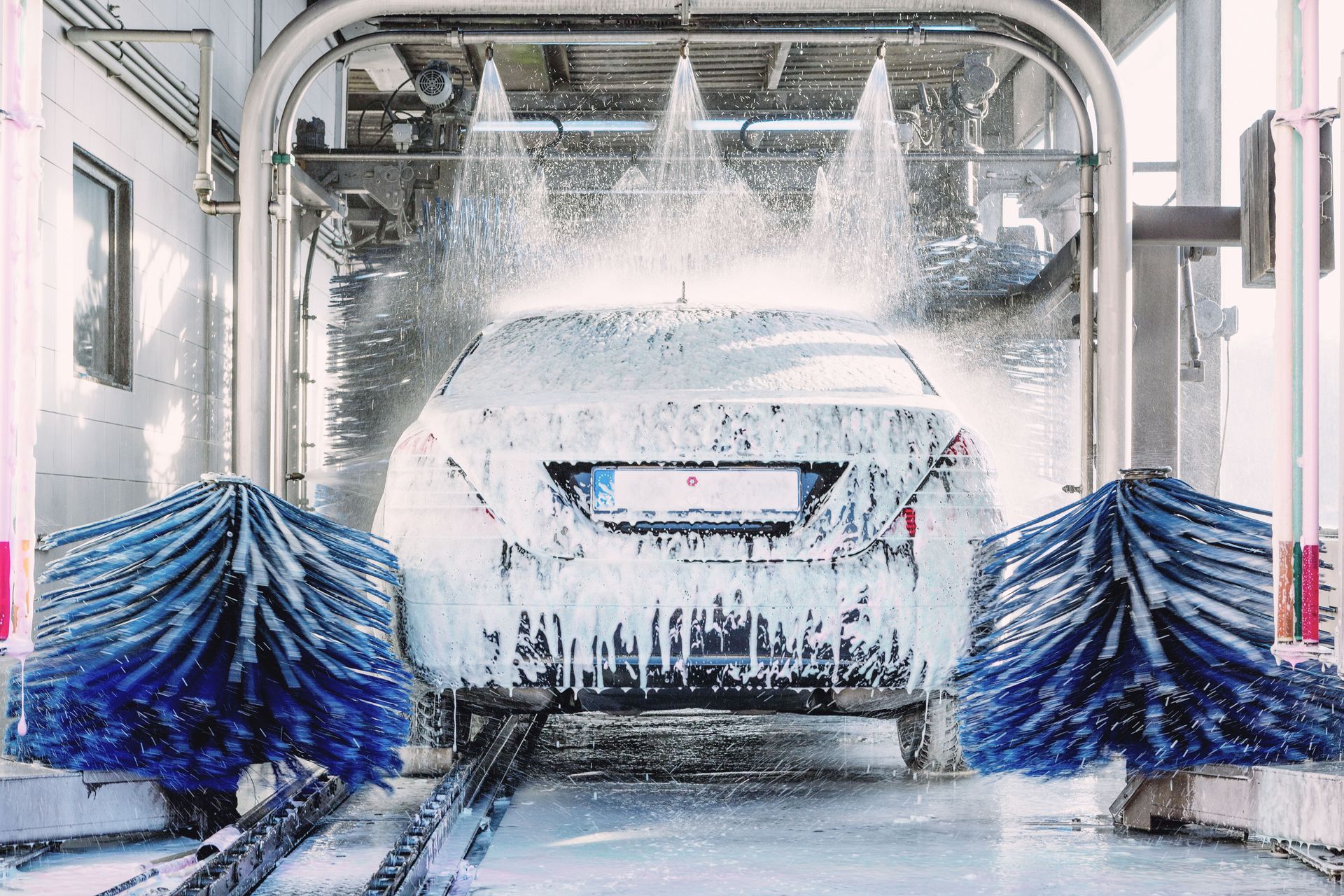
The first exterior step often involves removing loose dirt from the vehicle’s surface. Dust, sand, road salt, and other particles can collect on the paint during everyday driving. If these materials are rubbed across the surface without being rinsed away, they may create fine scratches. A thorough pre-rinse helps loosen buildup before the main cleaning process. Special attention may be given to the wheel wells, bumpers, mirrors, and lower doors. These areas often collect more road debris than the upper sections of the vehicle. Removing loose material also allows later cleaning products to work more effectively. Professional car wash businesses use organized cleaning steps to reduce the chance of spreading dirt across the vehicle.
Cleaning the Exterior Surface
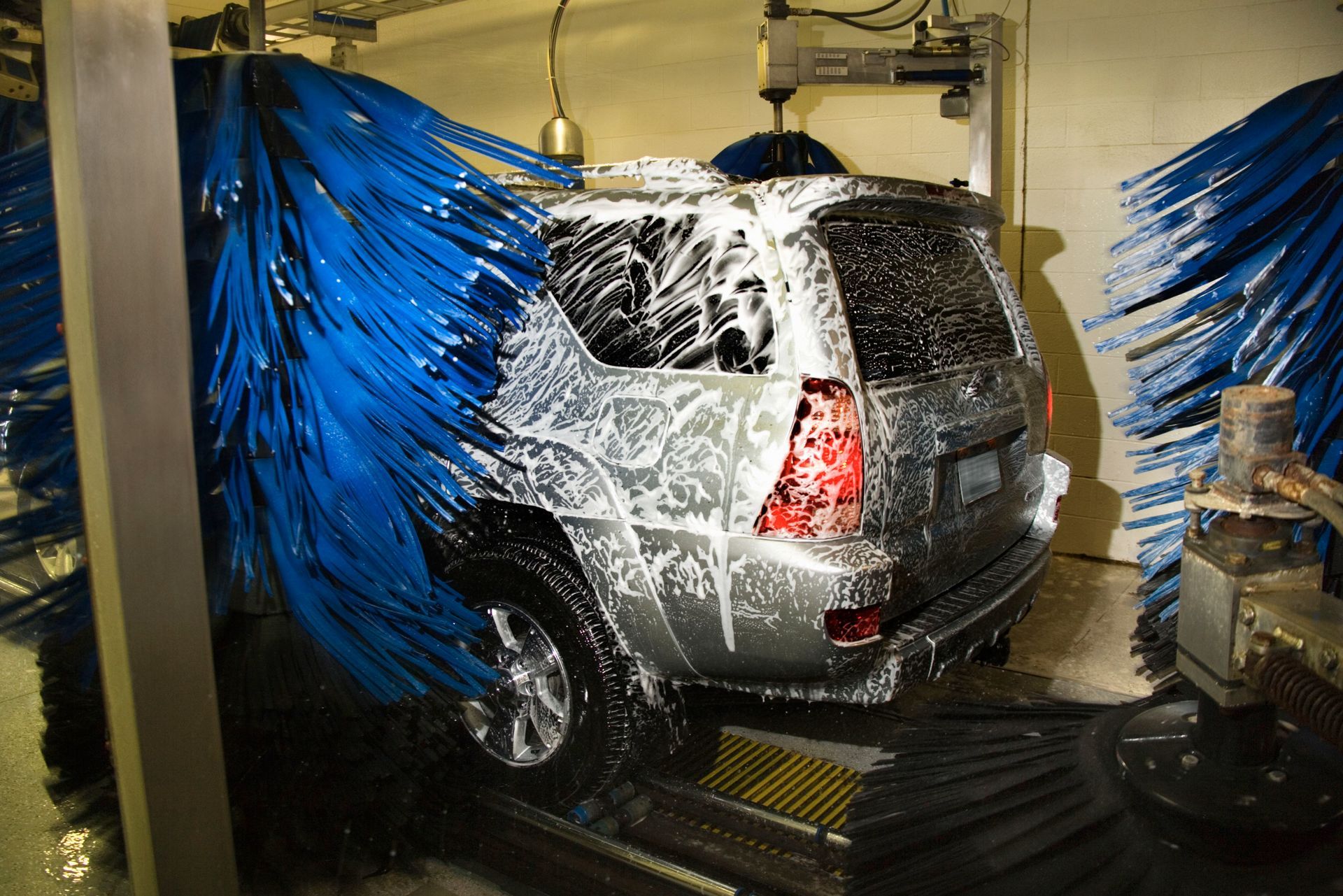
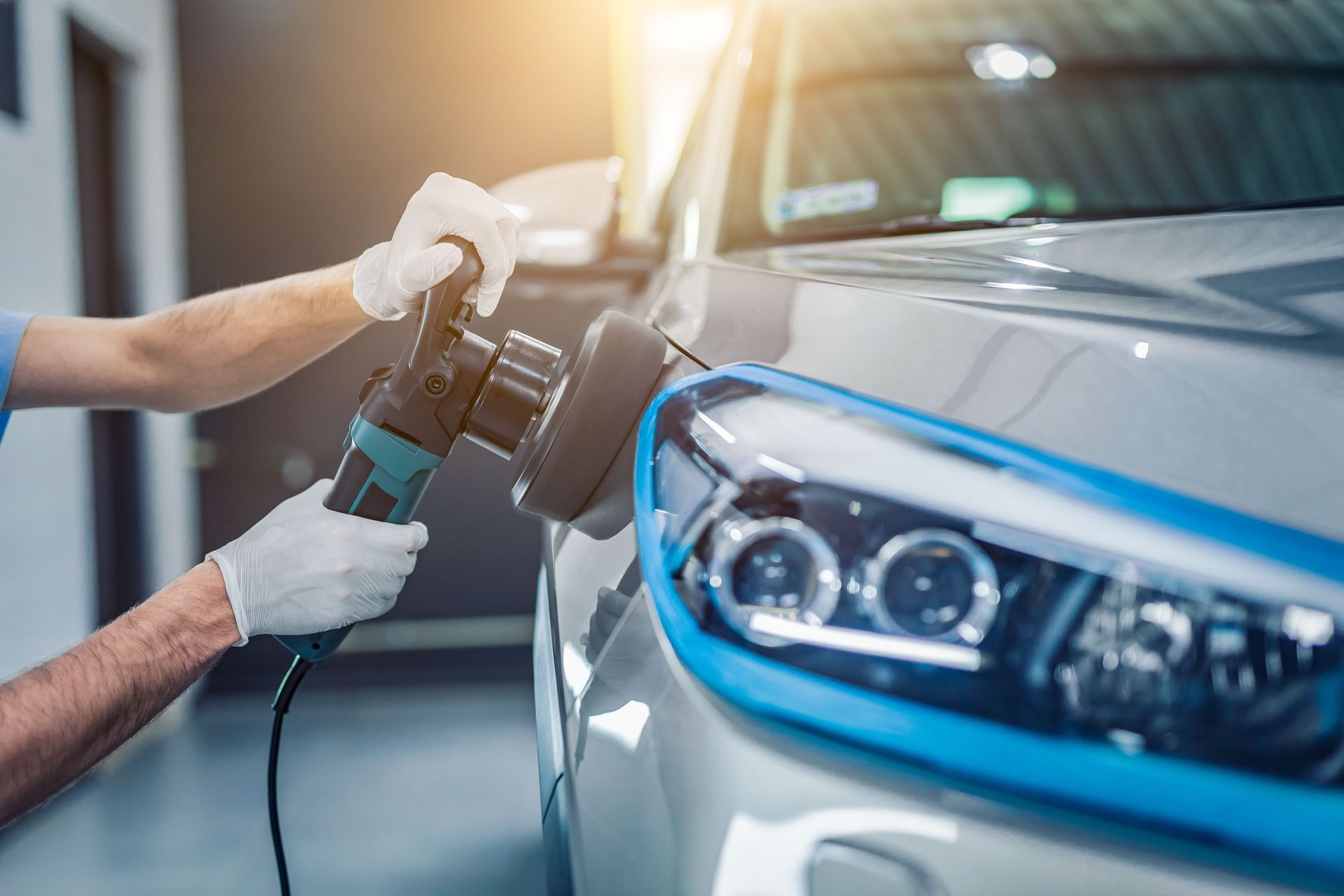
After loose debris has been removed, the vehicle’s exterior can receive a deeper wash. Cleaning solutions help break down grease, road film, bird droppings, and other surface buildup. The products used should be appropriate for automotive paint and exterior materials. A careful wash can improve the vehicle’s finish without placing unnecessary pressure on the surface. Some cleaning systems use soft materials or controlled equipment to reach difficult areas. Door handles, trim, mirrors, and emblems may require additional attention. The cleaning process should remove buildup while protecting the vehicle’s existing finish. A clean exterior gives the car a fresher appearance and prepares it for any additional services.
Addressing Wheels and Tires
Wheels and tires often require separate attention because they collect brake dust, mud, and road grime. Brake dust can become difficult to remove when it remains on the wheel surface for extended periods. Tire sidewalls may also develop a dull appearance from dirt and environmental exposure. Cleaning these areas helps improve the overall look of the vehicle. The products used should be suitable for the wheel finish and tire material. Some wheels may require extra care because of painted, polished, or specialized surfaces. Staff may use brushes or other tools to reach around spokes and tight spaces. A complete exterior cleaning should include the wheels and tires rather than focusing only on painted panels.
Refreshing the Interior
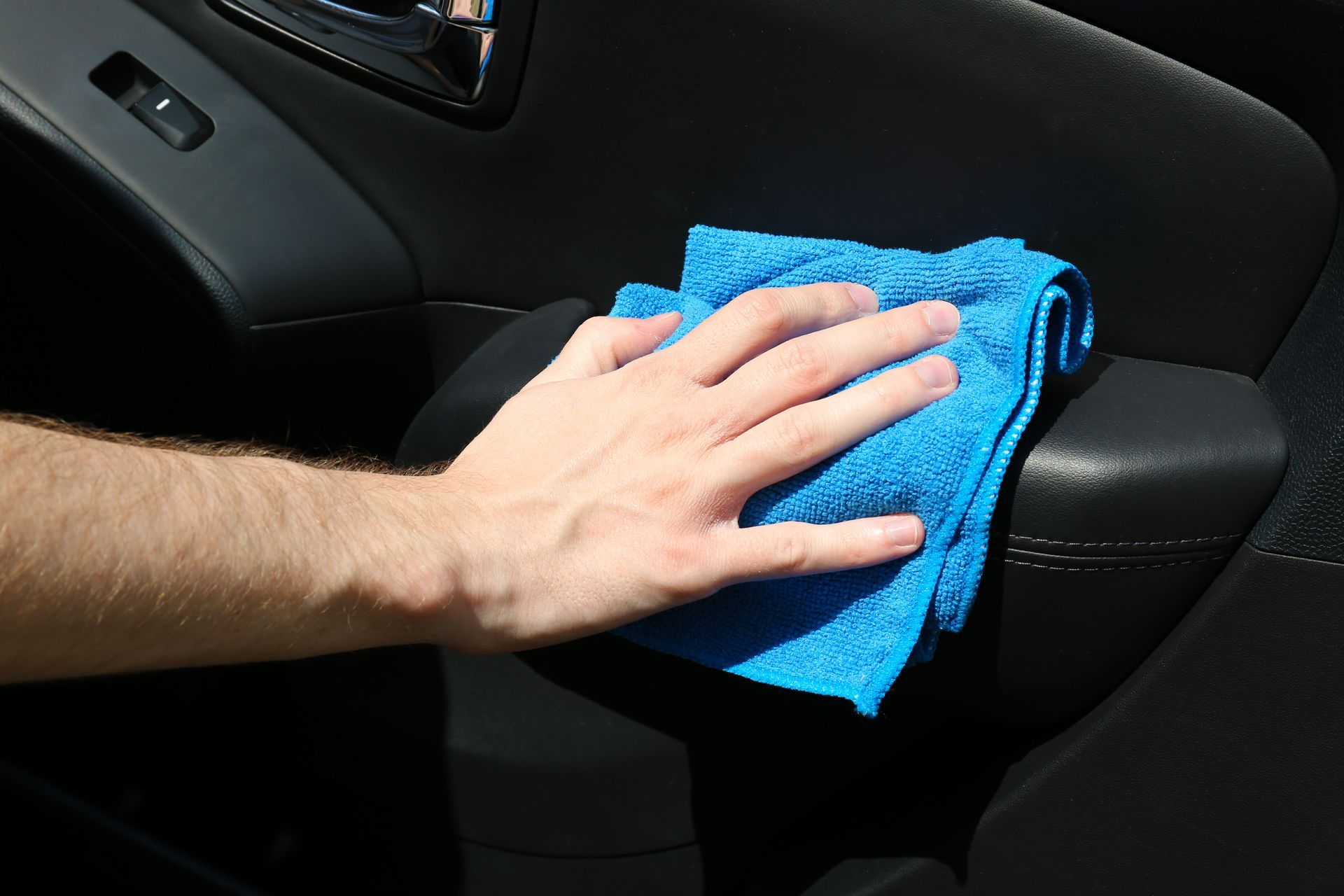
Interior cleaning is an important part of a deep-cleaning appointment. Dirt and dust can collect on seats, floor mats, dashboards, door panels, and center consoles. Food crumbs and spilled drinks may also create stains or unpleasant smells. A thorough cleaning begins by removing trash and loose items from the cabin. Floor mats may be removed so they can be cleaned separately from the carpet. Surfaces are then wiped or treated according to their material. Leather, vinyl, fabric, and plastic may each require different cleaning products. Car wash businesses can help restore a cleaner and more comfortable environment inside the vehicle.
Vacuuming Hard-to-Reach Areas
Vacuuming removes debris that may not be visible during a quick interior cleaning. Dirt often gathers beneath seats, between cushions, around floor mat edges, and inside storage compartments. Small particles may also collect near pedals, seat rails, and door pockets. A deep clean gives these areas more attention than a basic surface tidy. Staff may use different vacuum attachments to reach narrow spaces. Removing trapped debris can help reduce dust and prevent buildup over time. Customers should remove personal belongings before the service so staff can access more of the interior. Thorough vacuuming helps the cabin look cleaner and feel more comfortable during daily driving.
Treating Stains and Odors
Stains and odors may require more than ordinary wiping or vacuuming. Spilled coffee, food, moisture, and pet accidents can leave residue inside fabric and carpeting. Cleaning products must be selected based on the type of stain and the material being treated. Some areas may need gentle brushing or repeated treatment to improve their appearance. Odor removal often requires addressing the source rather than covering it with fragrance. Interior surfaces should be allowed to dry properly after moisture-based cleaning. Customers should explain when a stain or odor first appeared if they know the cause. Professional car wash businesses can recommend suitable treatment options for stubborn interior concerns.
Cleaning Glass and Visibility Areas
Clean windows and mirrors are important for both appearance and driving visibility. Exterior glass may collect water spots, dust, road film, and insect residue. Interior glass can develop a hazy layer from fingerprints, smoke, cleaning products, or dashboard materials. These deposits may become more noticeable when sunlight or headlights reflect across the surface. A careful cleaning helps improve clarity without leaving heavy streaks. Mirrors should also be cleaned because they support awareness of surrounding traffic. Wiper blades may need to be checked if they leave marks or fail to clear water properly. Clean glass adds an important finishing touch to the deep-cleaning process.
Drying and Inspecting the Vehicle
Drying is an important step because leftover moisture can create spots and affect certain interior materials. Exterior surfaces may be dried with air, towels, or other approved methods. Staff may check around mirrors, trim, door edges, and emblems where water can collect. The interior should also be inspected to make sure carpets and seats are not left excessively damp. A final review helps identify areas that may need another pass. Customers may be invited to walk around the vehicle before leaving. This is a useful time to mention any remaining concern or area that needs attention. A careful inspection helps car wash businesses maintain consistent service quality.
Protecting the Vehicle After Cleaning
Maintaining a clean vehicle requires simple habits after the professional service is complete. Drivers can reduce future buildup by removing trash and cleaning spills as soon as they occur. Regularly shaking out floor mats can also help prevent dirt from spreading through the cabin. Parking in covered areas may reduce exposure to harsh sunlight, tree sap, and bird droppings. Exterior protection products may help preserve the finish between deep-cleaning appointments. Interior surfaces should be cleaned with products designed for their specific materials. Drivers should also avoid leaving damp items inside the vehicle for extended periods. These habits help extend the results of services provided by car wash businesses.
A deep clean can improve both the appearance and comfort of a vehicle. The process may include exterior washing, wheel cleaning, interior vacuuming, stain treatment, glass cleaning, and a final inspection. Each step addresses a different type of buildup that develops through regular driving. Professional cleaning also helps reach areas that are easy to overlook at home. Customers can receive better results by removing personal items and explaining any specific concerns before service begins. Regular cleaning can make everyday driving more pleasant and help the vehicle maintain a cared-for appearance. Edison Express Gas & Wash provides a convenient option for drivers seeking dependable vehicle cleaning services. Contact us today to schedule a deep clean and give your vehicle the fresh, polished condition it deserves.